
Starting a business is an exhilarating journey filled with possibilities and challenges. For first-time founders, the road can be particularly daunting. Many aspiring entrepreneurs hold dreams of innovation and success but often feel overwhelmed by the complexities of launching a startup. The reality is that navigating this landscape requires not only passion but also a …
What is the most critical piece of startup advice for first-time founders?
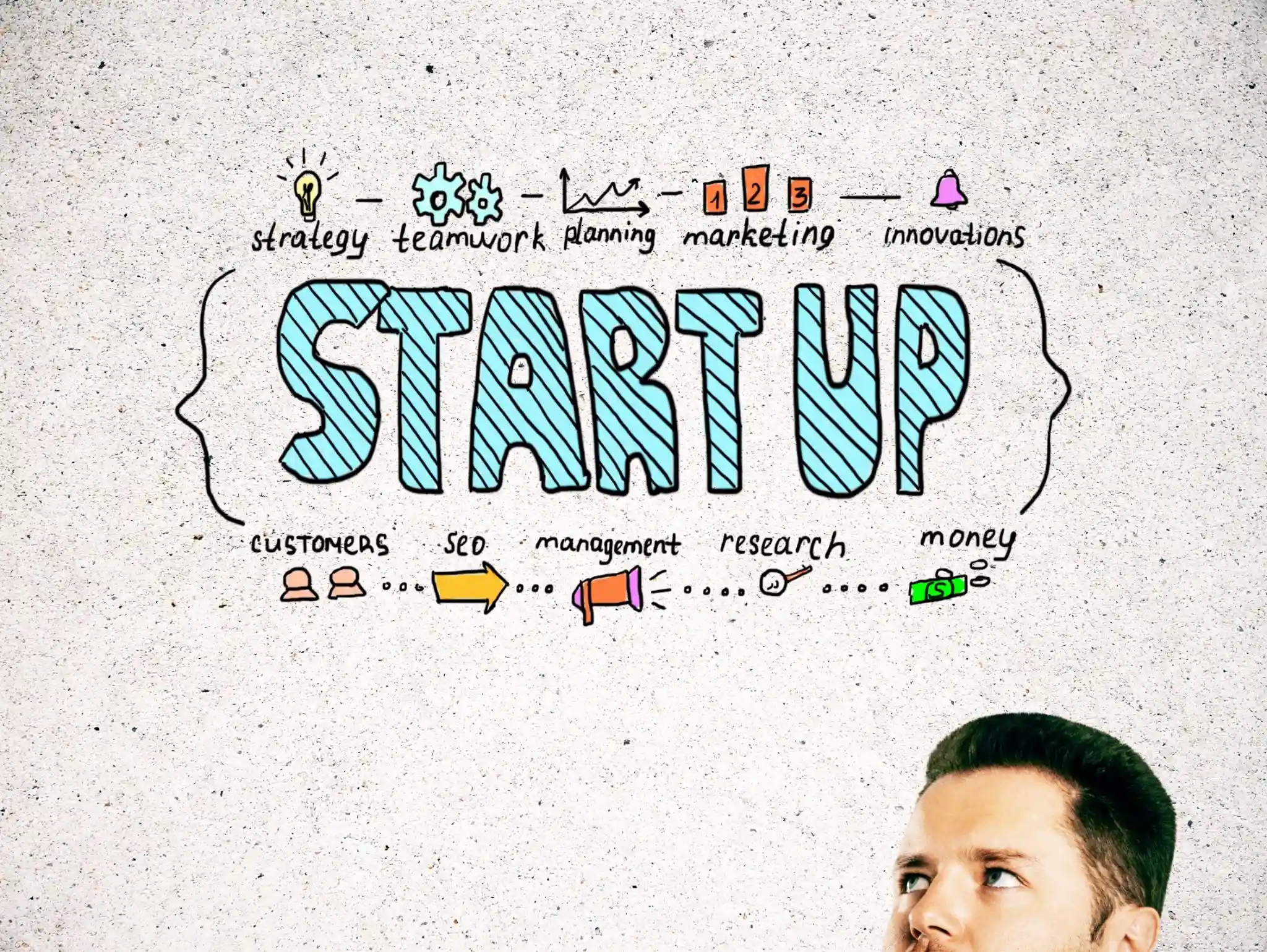
Starting a business is an exhilarating journey filled with possibilities and challenges. For first-time founders, the road can be particularly daunting. Many aspiring entrepreneurs hold dreams of innovation and success but often feel overwhelmed by the complexities of launching a startup. The reality is that navigating this landscape requires not only passion but also a solid foundation of knowledge and support. The most critical piece of startup advice for first-time founders lies in cultivating the right mindset and establishing a strong foundation for your business. This blog will explore essential insights that can guide you through the startup process, helping you turn your vision into a thriving reality.
Understanding the Entrepreneurial Mindset
Embracing Risk and Uncertainty
The entrepreneurial journey is inherently risky. As a founder, you will face uncertainty at every turn. Embracing this risk is crucial. Instead of fearing failure, view it as a stepping stone towards success. Many successful entrepreneurs have faced numerous setbacks before achieving their goals. Understand that risk is a part of growth. It pushes you to think creatively and adapt to changing circumstances.
Managing fear is essential. Develop strategies to cope with uncertainty. This might include setting realistic expectations, seeking advice from experienced mentors, or surrounding yourself with supportive peers. Cultivating a mindset that welcomes challenges can transform obstacles into opportunities. When you learn to embrace risk, you position yourself to make bold decisions that can propel your startup forward.
Cultivating Resilience
Resilience is the backbone of successful entrepreneurship. The path to building a startup is often filled with hurdles, from funding challenges to market competition. First-time founders must cultivate resilience to navigate these challenges effectively. This involves developing the mental toughness to bounce back from failures and setbacks.
To build resilience, focus on maintaining a positive outlook. Surround yourself with encouraging individuals who uplift you during tough times. Additionally, practice self-care to manage stress effectively. Whether it’s through exercise, meditation, or pursuing hobbies, nurturing your well-being is vital. Remember, resilience is not just about enduring hardship; it’s about learning from experiences and using them to fuel your passion. When faced with adversity, reflect on what you can learn and how you can improve. This mindset will serve you well in your entrepreneurial journey.
Building a Strong Foundation
Validating Your Business Idea
Before diving into the startup world, validating your business idea is crucial. Many entrepreneurs fall in love with their ideas without testing them in the market. Conducting thorough market research helps you understand customer needs and preferences. Engage with potential customers to gather feedback on your concept. Surveys, interviews, and focus groups can provide valuable insights into the viability of your idea.
Consider launching a minimal viable product (MVP) to test the waters. An MVP allows you to introduce your concept with minimal investment while gathering real-world feedback. This approach enables you to refine your product based on actual user experiences. Validating your idea not only mitigates risks but also fosters confidence in your venture. When you have evidence that your concept resonates with your target audience, you can move forward with greater assurance.
Establishing a Solid Business Plan
A well-structured business plan is essential for any startup. This document serves as a roadmap guiding your business decisions and strategies. Your business plan should encompass key elements such as your mission statement, target market analysis, competitive landscape, marketing strategies, and financial projections.
When crafting your plan, be thorough yet adaptable. While it’s important to have a clear vision, the startup landscape is dynamic, and flexibility is crucial. Regularly review and update your business plan as you gather new insights and experiences. This living document will keep you aligned with your goals and help you navigate challenges that arise. A solid business plan not only provides clarity but also serves as a tool for securing funding, as investors often seek detailed plans before committing resources.
Networking and Building Relationships
The Power of Mentorship
Mentorship can be a game-changer for first-time founders. Learning from experienced entrepreneurs who have navigated similar challenges can provide invaluable guidance. A mentor can offer insights, share their experiences, and help you avoid common pitfalls. When seeking a mentor, look for someone who resonates with your values and aspirations.
To find a mentor, tap into your existing network or explore industry events and online platforms. Be proactive in reaching out, and don’t hesitate to ask for help. A genuine connection can lead to a fruitful mentoring relationship. Additionally, be open to constructive feedback from your mentor. Embrace their advice and use it to refine your approach. The wisdom gained through mentorship can accelerate your learning curve and enhance your chances of success.
Cultivating a Supportive Network
Building a network of supportive individuals is essential for your entrepreneurial journey. Surrounding yourself with other entrepreneurs, industry professionals, and like-minded individuals can provide a sense of community and belonging. Networking opens doors to potential collaborations, partnerships, and opportunities that can benefit your startup.
Attend industry conferences, workshops, and seminars to connect with others in your field. Join online communities and forums where entrepreneurs share their experiences and insights. Engaging with your network regularly fosters relationships that can be invaluable as you navigate challenges. Your network can serve as a source of encouragement and motivation during difficult times. Remember, collaboration often leads to innovation, so leverage your connections to explore new ideas and solutions.
Managing Finances Wisely
Understanding Funding Options
Securing funding is a critical aspect of launching and scaling your startup. Understanding the various funding options available can help you make informed decisions. Bootstrapping, venture capital, angel investors, and crowdfunding are just a few avenues to explore.
Bootstrapping involves using your savings or revenue generated by the business to fund operations. This approach allows you full control but may limit growth potential. Venture capital and angel investors provide larger sums of money in exchange for equity, but they often come with expectations for rapid growth. Crowdfunding platforms allow you to raise funds from a community of supporters, validating your idea while securing initial capital.
Evaluate the pros and cons of each funding option and choose the one that aligns with your business goals. Consider your long-term vision and how much control you want to maintain. Effective financial management is crucial at every stage, so develop a clear understanding of your funding strategy.
Tracking Financial Performance
Monitoring your startup’s financial performance is essential for sustainability. Establishing robust financial management practices can help you make informed decisions and avoid pitfalls. Start by creating a budget that outlines your projected income and expenses. This budget will serve as a guide for your spending and help you identify areas for cost savings.
Use accounting software to track your financial transactions and generate reports. Regularly review your cash flow statements, income statements, and balance sheets to gain insights into your financial health. Understanding your financial metrics allows you to identify trends and make data-driven decisions. If financial challenges arise, address them promptly to ensure your startup remains on a stable footing. Regular financial analysis will empower you to make strategic decisions that support growth and sustainability.
Adapting to Market Changes
Staying Agile and Flexible
In today’s fast-paced business environment, adaptability is key. Market conditions can change rapidly, and successful startups are those that can pivot when necessary. Staying agile means being open to feedback and willing to adjust your strategies based on real-time data.
Encourage a culture of innovation within your team. Regularly solicit feedback from customers and employees to identify areas for improvement. If a particular strategy isn’t yielding the desired results, be prepared to pivot and try something new. Flexibility is not a sign of weakness; it’s a strength that can lead to breakthrough ideas. Embrace change as an opportunity for growth, and be willing to experiment with new approaches.
Leveraging Data for Decision-Making
Data-driven decision-making is essential for navigating market changes. Utilize analytics tools to gather insights about customer behavior, market trends, and campaign performance. Understanding the data enables you to identify opportunities and threats, guiding your strategic decisions.
Invest in tools that can help you analyze data effectively. Platforms like Google Analytics, CRM systems, and social media insights provide valuable information about your audience. Use this data to refine your marketing strategies, product offerings, and customer engagement efforts. The more informed your decisions are, the better equipped you’ll be to respond to market shifts and meet customer needs.
FAQs
What is the most important piece of startup advice for new founders?
The most critical advice is to cultivate a resilient mindset and be open to learning from both successes and failures.
How can I validate my startup idea?
Conduct market research, engage with potential customers, and consider launching a minimal viable product (MVP) to gather feedback.
What funding options should I consider for my startup?
Explore bootstrapping, venture capital, angel investors, and crowdfunding based on your business goals and growth strategy.