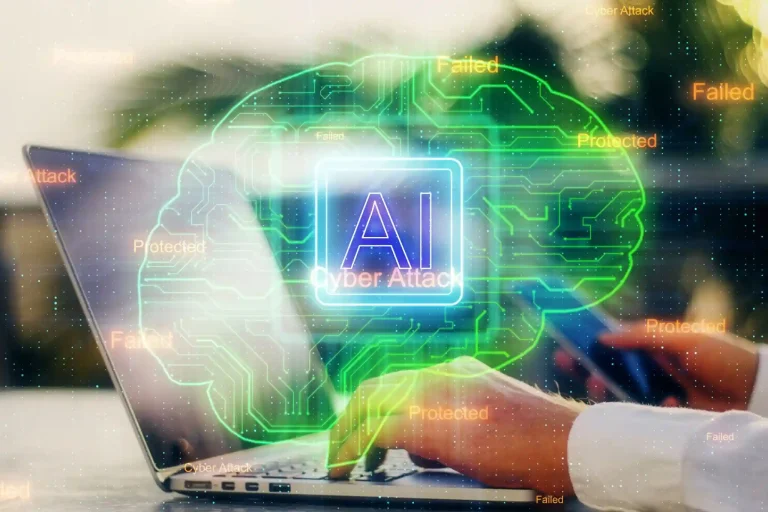
As we look towards 2026, the landscape of technology is evolving at an unprecedented pace. Innovations are not merely changing our world; they are reshaping our very existence. The intersection of artificial intelligence, quantum computing, augmented reality, and sustainable technologies is creating possibilities we once only dreamed of. Understanding these tech trends is crucial for …
Tech Trends 2026: The Future Technologies Shaping Our Digital World
As we look towards 2026, the landscape of technology is evolving at an unprecedented pace. Innovations are not merely changing our world; they are reshaping our very existence. The intersection of artificial intelligence, quantum computing, augmented reality, and sustainable technologies is creating possibilities we once only dreamed of. Understanding these tech trends is crucial for businesses and individuals alike. The future is here, and it’s filled with opportunities to enhance our lives, drive innovation, and tackle some of the most pressing challenges we face. In this blog post, we will delve into the key tech trends of 2026, exploring their implications and potential to transform our digital world.
Artificial Intelligence and Machine Learning Evolution
Advanced AI Applications
Artificial Intelligence (AI) is no longer an abstract concept confined to science fiction. By 2026, it has become deeply embedded in our daily lives, influencing various sectors from healthcare to finance. AI applications have advanced significantly, allowing for more personalized experiences. In healthcare, AI algorithms analyze vast amounts of data to provide insights that enhance patient care. Imagine a world where your medical history is analyzed in seconds, leading to tailored treatment plans that improve outcomes.
In finance, AI is revolutionizing the way we manage our money. Automated trading systems utilize AI to analyze market trends, making real-time decisions that can maximize profits and minimize risks. Moreover, customer service is being transformed through AI-powered chatbots that provide instant support, improving customer satisfaction. As these technologies evolve, they are not just tools; they are becoming partners in our decision-making processes.
Ethical Considerations in AI Development
With great power comes great responsibility. As AI continues to permeate various aspects of our lives, ethical considerations are paramount. A commitment to transparency and accountability must accompany the development of AI. Questions surrounding data privacy, bias in algorithms, and the potential for job displacement require thoughtful discourse.
Organizations must ensure that their AI systems are built on ethical foundations. This involves creating guidelines for responsible usage and continuously monitoring the impact of AI on society. As users, we should advocate for ethical AI practices, demanding transparency and fairness in how these technologies are designed and implemented.
The Rise of Quantum Computing
Understanding Quantum Technology
Quantum computing represents a paradigm shift in our approach to problem-solving. Unlike classical computers that use bits to process information, quantum computers utilize qubits, enabling them to perform calculations at speeds unimaginable today. By 2026, we are beginning to witness the practical applications of this technology.
The implications of quantum computing are profound. For instance, in fields like cryptography, quantum computers can break encryption codes that currently protect sensitive data. This necessitates the development of new security measures to safeguard information. However, the potential benefits are enormous. Quantum computers can solve complex problems in seconds, revolutionizing industries such as drug discovery and climate modeling. Imagine a world where we can simulate molecular interactions in real-time, drastically reducing the time it takes to develop new medications.
Transformative Applications
The transformative applications of quantum computing extend beyond theoretical discussions. Industries are starting to harness this power to innovate and solve pressing challenges. In finance, quantum computing can optimize investment portfolios by analyzing vast amounts of data in real-time, allowing for more informed decision-making.
In materials science, researchers are using quantum simulations to discover new materials with unique properties, paving the way for breakthroughs in energy storage and renewable energy technologies. As we embrace quantum computing, the possibilities become limitless. We are on the brink of a technological revolution that will change the way we approach complex problems, ultimately benefiting society as a whole.
Augmented Reality (AR) and Virtual Reality (VR) Advancements
Immersive Experiences in Entertainment and Education
Augmented Reality (AR) and Virtual Reality (VR) are no longer confined to gaming; they are transforming how we experience entertainment and education. By 2026, immersive technology has become mainstream, offering users experiences that blend the digital and physical worlds seamlessly. In entertainment, AR and VR create captivating experiences, allowing users to step into their favorite movies or games. Imagine attending a concert where you can interact with the performance in real-time, or exploring a virtual world that feels as tangible as reality.
In education, AR and VR are revolutionizing the learning experience. Students can explore historical events, conduct virtual science experiments, or immerse themselves in complex concepts like never before. This hands-on approach enhances engagement and retention, making learning more effective. As educators harness these technologies, they are preparing students for a future where digital literacy is paramount.
Practical Applications in Business
Beyond entertainment and education, AR and VR are finding practical applications in various business sectors. In marketing, brands are using AR to create interactive advertisements that engage consumers on a deeper level. Imagine trying on clothes virtually before making a purchase, or visualizing how furniture would look in your home through your smartphone. These experiences not only enhance customer engagement but also drive sales.
In training and development, businesses are leveraging VR to simulate real-world scenarios. From safety training in hazardous environments to customer service simulations, VR provides a safe space for employees to practice and learn. This innovative approach not only increases retention but also fosters a culture of continuous improvement. As AR and VR technologies continue to evolve, they will redefine how businesses interact with consumers and train their workforce.
5G Connectivity and Its Implications
The Future of Connectivity
As we step into 2026, 5G technology is revolutionizing connectivity. With its unprecedented speed and lower latency, 5G enables seamless communication between devices, transforming how we interact with the digital world. This new standard of connectivity allows for real-time data transfer, making applications like telemedicine and remote work more efficient than ever.
Imagine consulting with a doctor via a high-definition video call without lag or delay. The possibilities for remote work also expand significantly, with virtual meetings becoming more immersive and engaging. As 5G networks become widespread, we can expect a more connected world where information flows effortlessly, enabling innovation across industries.
Impact on Industries
The impact of 5G technology extends far beyond faster internet speeds. In healthcare, 5G facilitates remote surgeries and real-time monitoring of patients, enhancing the quality of care. In transportation, connected vehicles communicate with each other and traffic systems, improving safety and efficiency on the roads.
Smart cities are becoming a reality with 5G technology. Urban areas can implement intelligent traffic management systems, reduced energy consumption, and improved public services. As industries embrace this technology, we can expect to see a significant transformation in how we live and work. The future holds immense promise as 5G connectivity empowers innovation and drives efficiency across various sectors.
Sustainable Technology Trends
Green Tech Innovations
Sustainability is no longer just a buzzword; it is a necessity. By 2026, green technology innovations are at the forefront of our efforts to combat climate change and reduce environmental impact. From renewable energy solutions to sustainable materials, the tech industry is embracing eco-friendly practices.
Solar panels and wind turbines are becoming more efficient and affordable, making renewable energy accessible to more people. Electric vehicles (EVs) are gaining traction, with advancements in battery technology leading to longer ranges and faster charging times. The shift towards sustainable practices not only benefits the environment but also creates economic opportunities in green industries.
The Role of Technology in Climate Change Mitigation
Technology plays a critical role in addressing climate change challenges. Innovations in data analytics and AI are helping scientists model climate patterns and predict environmental changes. This information is vital for policymakers and businesses to make informed decisions.
Cybersecurity Trends in 2026
Evolving Threat Landscape
As technology advances, so do the threats that come with it. By 2026, the cybersecurity landscape has become increasingly complex. Cybercriminals are leveraging sophisticated techniques to breach systems and steal sensitive data. Organizations must remain vigilant and proactive in their cybersecurity measures.
Artificial intelligence is playing a significant role in enhancing cybersecurity. AI-driven systems can detect anomalies and respond to threats in real-time, minimizing potential damage. However, it is not just large corporations that need to be concerned. Individuals must also prioritize their online security, as personal data becomes a target for cybercriminals.
Best Practices for Individuals and Businesses
To navigate the evolving cybersecurity landscape, both individuals and businesses need to adopt best practices. Regularly updating software and security systems is crucial in protecting against vulnerabilities. Using strong, unique passwords and enabling two-factor authentication adds an extra layer of security.
Education is also vital in maintaining cybersecurity. Individuals should be aware of the common tactics used by cybercriminals, such as phishing scams and social engineering. By fostering a culture of cybersecurity awareness, organizations can empower their employees to recognize and respond to potential threats. As we embrace the digital age, prioritizing cybersecurity will be essential in safeguarding our information and maintaining trust in technology.
FAQs
What are the key tech trends to watch for in 2026?
Key tech trends include advancements in artificial intelligence, quantum computing, augmented and virtual reality, 5G connectivity, and sustainable technologies.
How will AI impact various industries by 2026?
AI will enhance efficiency, improve decision-making, and personalize customer experiences across industries such as healthcare, finance, and customer service.
What is quantum computing, and why is it important?
Quantum computing utilizes qubits to perform complex calculations at unprecedented speeds, revolutionizing fields like cryptography and drug discovery.